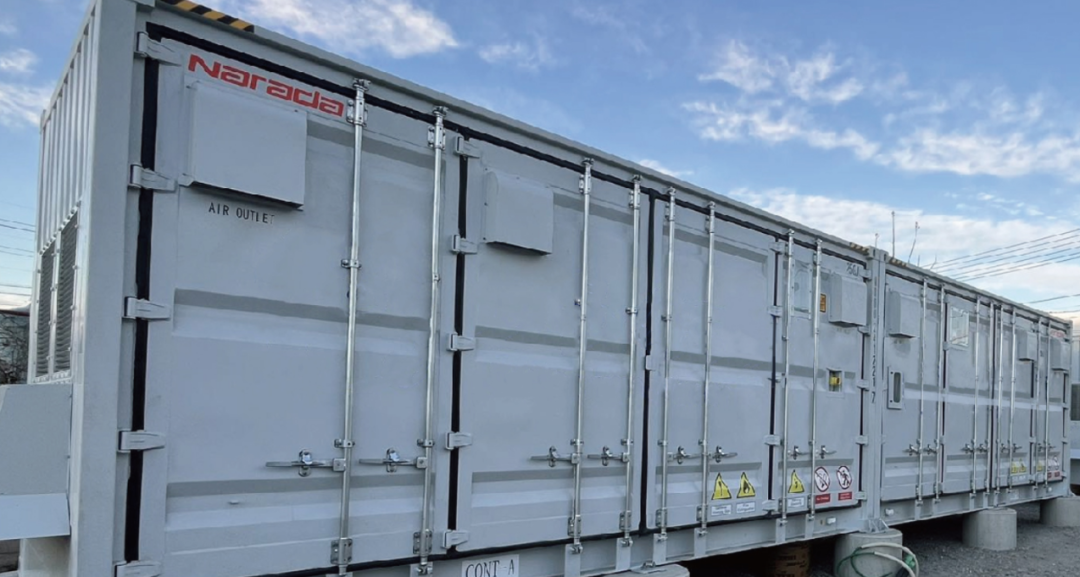

Buzz, hum, drone — noise is an inevitable byproduct of operating energy storage systems. When deployed in remote, unpopulated areas, this noise barely raises concerns. However, as commercial & industrial (C&I) and residential energy storage installations have expanded rapidly in recent years, an increasing number of energy storage stations are built near commercial districts and residential neighborhoods. Noise pollution has become an unavoidable industry pain point.
Where Does Energy Storage System Noise Come From?
Large-scale energy storage stations can produce noise levels up to 85 decibels, equivalent to the hubbub of a busy downtown street.
Liquid cooling units integrate multiple sound-emitting components including compressors, fans and water pumps. Their noise covers mid-to-low frequency fan noise and mid-to-high frequency compressor noise, featuring wide frequency spectrum, complex sound sources and high sound pressure levels. Conventional sound insulation or partial sound absorption methods struggle to deliver substantial noise reduction within compact unit spaces.
To tackle this challenge, Narada Power Source has developed a systematic noise reduction and silent technology covering sound source control and propagation path suppression, enabling energy storage stations to operate quietly while blending into community environments.
Narada’s R&D team has integrated multiple innovative technologies including streamlined flow guide cores, composite sound-absorbing structures and micro-perforated acoustic metamaterial absorbers to achieve synergistic noise reduction across all dimensions.
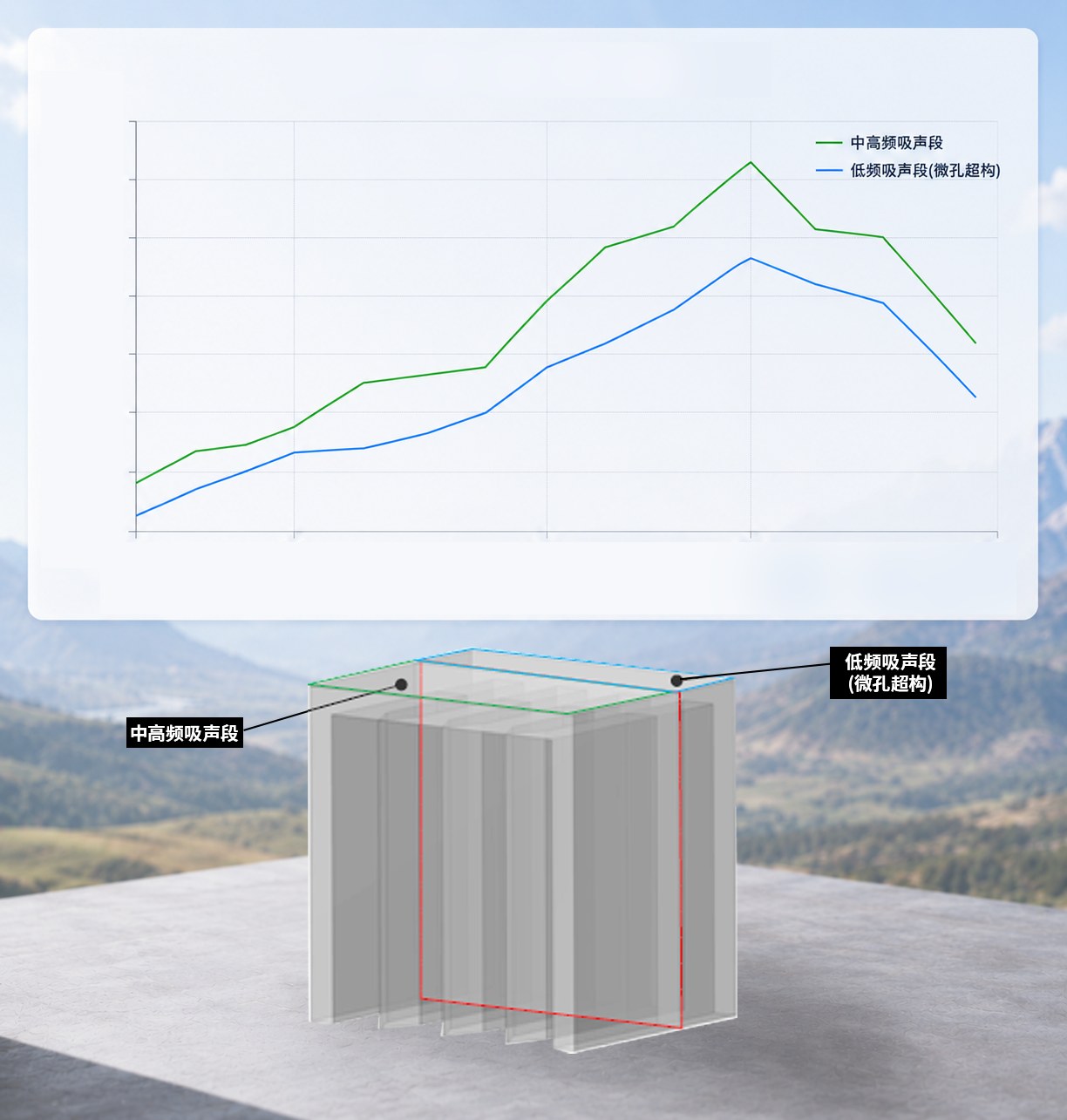
The self-developed noise reduction equipment adopts streamlined flow guide cores. Smooth curved transitions and optimized blade trailing edge designs suppress broadband aerodynamic noise at the source and effectively cut airflow regenerated noise.
These designs deliver robust noise attenuation while maintaining unobstructed airflow, with zero adverse impact on liquid cooling unit performance. The core interior is divided into mid-high frequency sound absorption zones and low-frequency sound absorption zones to form composite sound-absorbing structures that realize full-spectrum noise reduction. For hard-to-mitigate low-frequency noise, micro-perforated acoustic metamaterial absorbers are deployed in low-frequency zones. These rely on panel-cavity resonance to drastically dampen low-frequency noise, making up for the drawbacks of traditional fibrous materials — weak sound insulation and extremely narrow low-frequency absorption bandwidth.
This silent performance fundamentally improves the community compatibility of energy storage stations. The stations can reliably perform peak shaving and valley filling and support power grid stability without creating noise nuisances, drastically lowering environmental approval barriers for project rollout.