

During the 15th Five-Year Plan period, the construction of clean energy bases has been fully accelerated, and energy storage will play a key supporting role.
As mandatory energy storage allocation requirements gradually shift to market-oriented mechanisms, the path for "new energy + energy storage" to participate in electricity market transactions as a combined entity has been clarified. The two will integrate to compete in the energy market and jointly respond to system regulation demands.
High Reliability
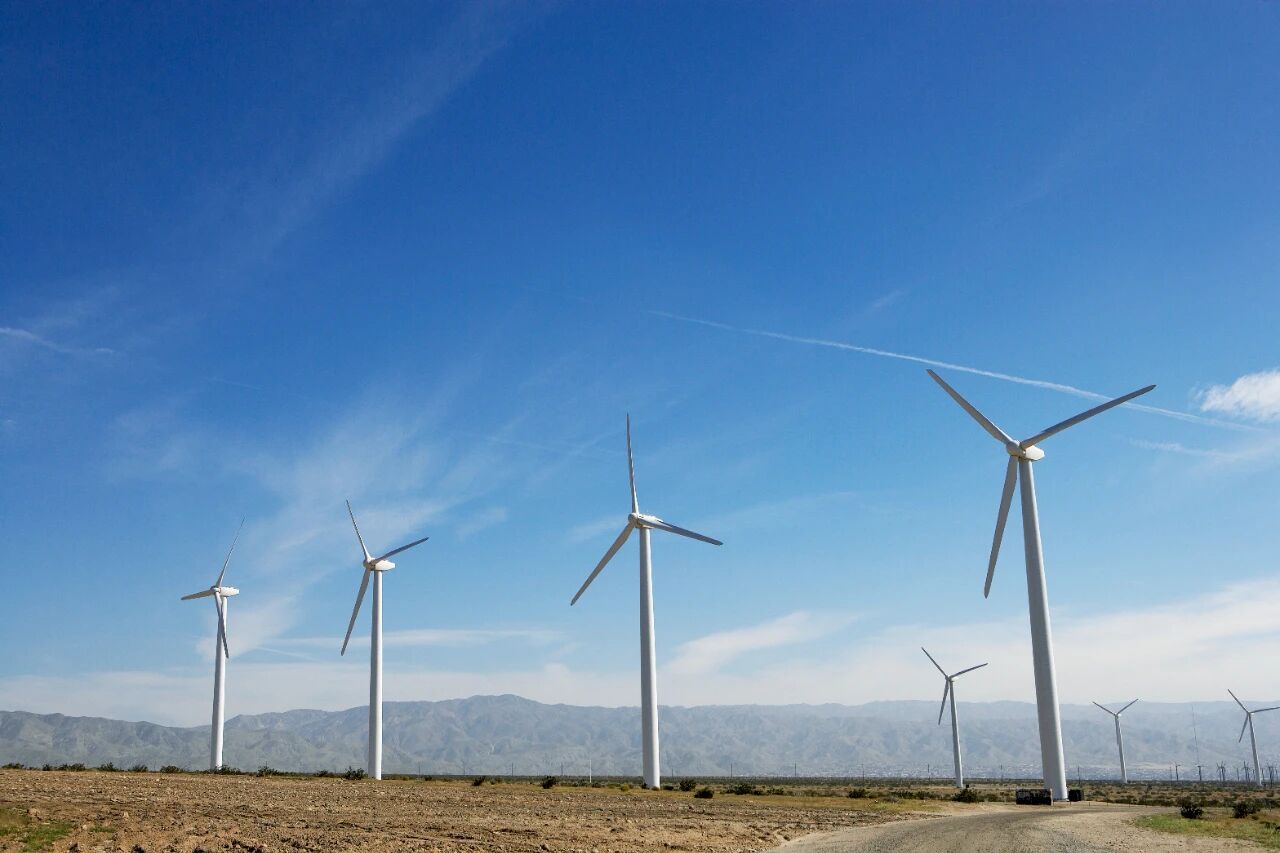
The intermittency of wind and solar power generation causes grid frequency fluctuations, affecting power supply quality. Meanwhile, new energy power stations cannot provide rotational inertia, making it difficult to buffer frequency changes when system power is unbalanced, threatening the safe and stable operation of the power grid.
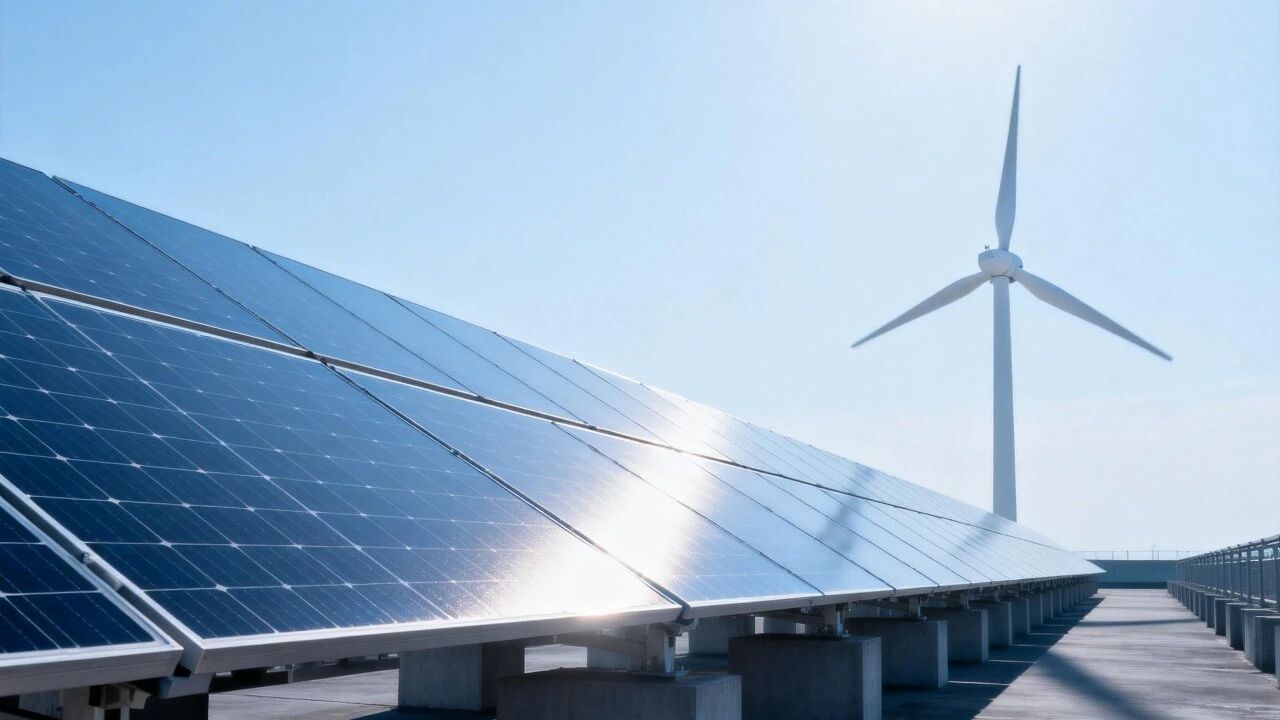
In response to the weak grid support capability and insufficient system inertia of wind and solar bases, Narada Power has launched a grid-forming energy storage system, which effectively improves grid resilience and ensures the reliable power transmission and stable operation of power stations.
Narada's grid-forming energy storage system features outstanding active support capability for weak power grids. In areas with a high proportion of new energy, the system can provide 1.5 to 3 times overload capacity, effectively stabilizing voltage and frequency and solving grid-connected oscillation problems.
Through virtual synchronous generator control technology, the system can respond to frequency fluctuations within 20 milliseconds to avoid the risk of off-grid operation, and can continue to operate for one minute even under an abnormal voltage of 120% Un.
High Safety
Most wind and solar bases are located in extreme environments, posing stringent challenges to the stability of energy storage systems. Narada Power has deeply explored the actual application scenarios of large bases including desert, Gobi, desert grassland, agricultural PV complementary, river basin plateau, and offshore wind and solar bases, and developed energy storage systems adaptable to all scenarios and climates, demonstrating excellent adaptability in the extreme environments of large bases.
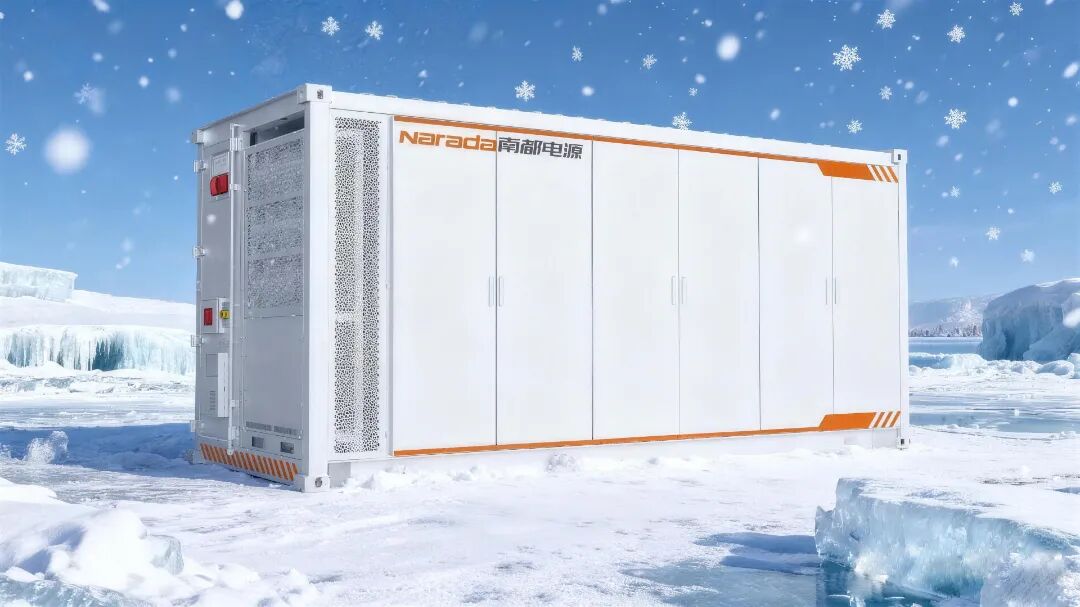
In extremely cold environments, the system supports wide-temperature operation from -40°C to 55°C. The self-regulating intelligent temperature control system controls the system-level temperature difference within 2.5°C, effectively preventing battery activity attenuation and material embrittlement caused by low temperatures, and extending equipment service life.
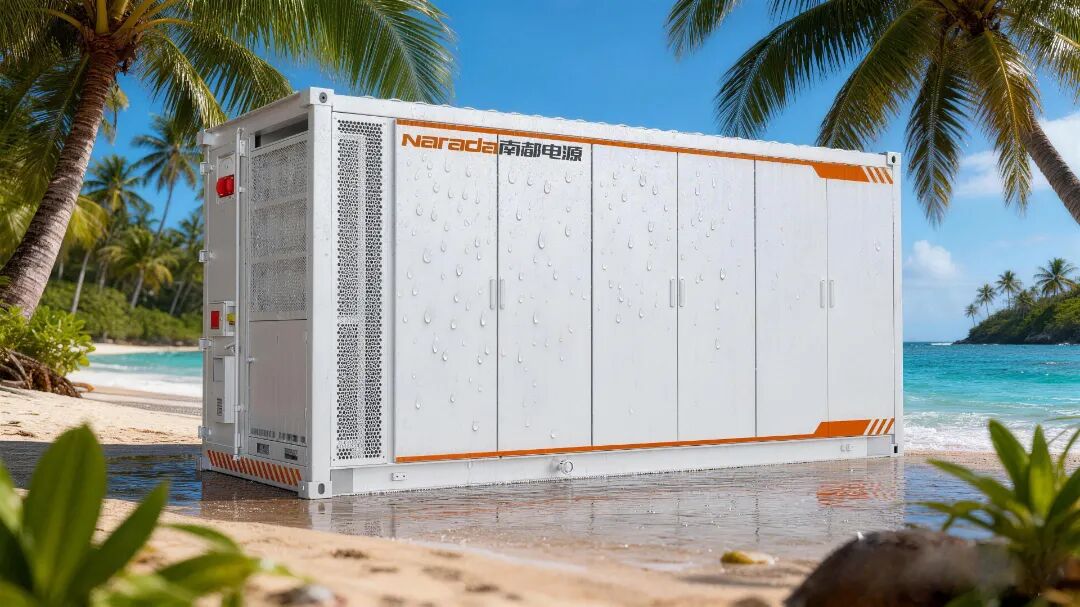
In tropical island scenarios, the system adopts C5-grade anti-corrosion design to resist high salt spray erosion. Meanwhile, it reduces auxiliary power consumption by 30% through intelligent switching between compressor cooling and natural cooling, ensuring stable operation in hot and humid environments.
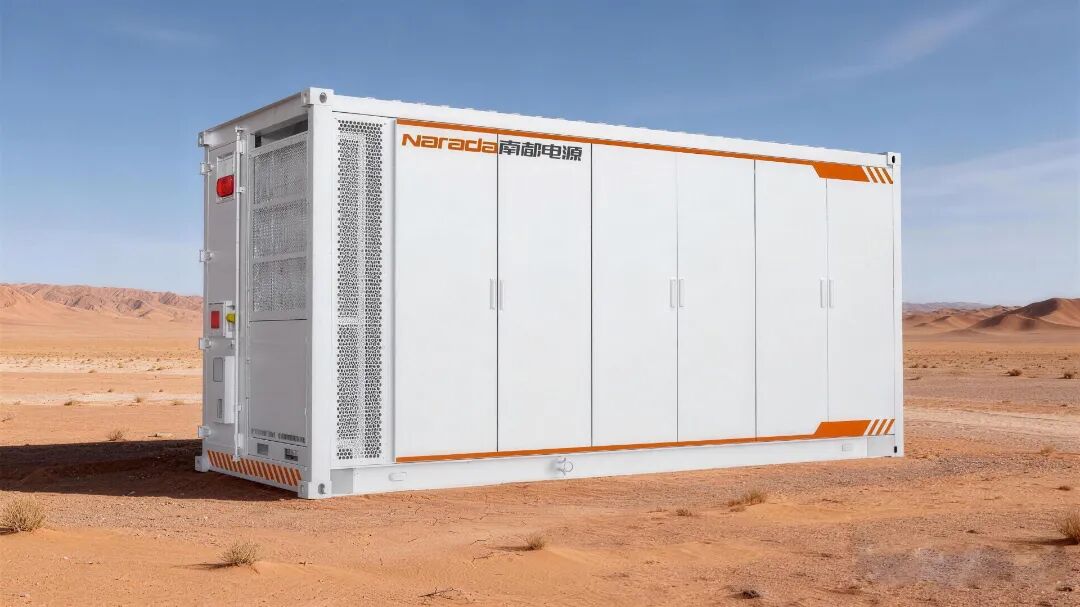
In Gobi desert areas, the high-weatherability design can resist strong wind and sand impacts, and OTA remote upgrade technology supports rapid optimization of control strategies to adapt to extreme temperature differences.
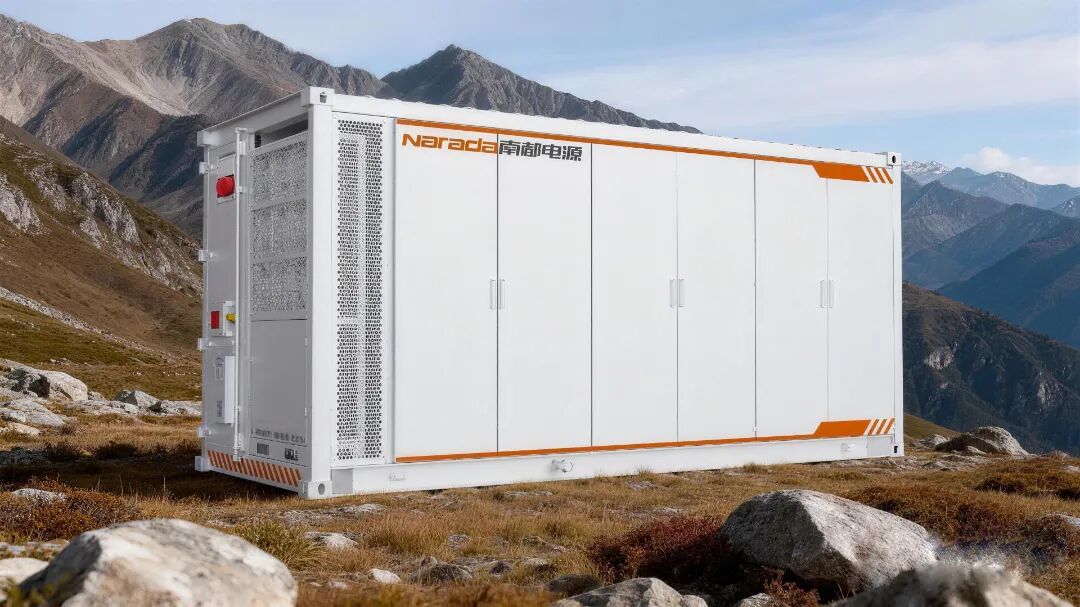
In high-altitude mountainous areas, the system achieves an overall IP55 protection rating and IP67 protection for core components, preventing rainwater penetration. Combined with an 8-level seismic structure, it effectively copes with geological disasters such as earthquakes and debris flows, providing reliable guarantee for new energy grid connection in complex terrains.
Intelligent Operation and Maintenance
The energy storage operation and maintenance of wind and solar bases need to address challenges such as efficient collaboration of multiple types of equipment, precise response to wind and solar output fluctuations, and inconvenient manual operation and maintenance.
To meet the rapid growth demand of large-base energy storage business, Narada Power has independently developed a full-stack new power intelligent energy storage operation and maintenance management system, breaking through the technical bottlenecks of traditional energy storage management and forming a complete capability closed loop covering "equipment perception - data intelligence - operation and maintenance services".
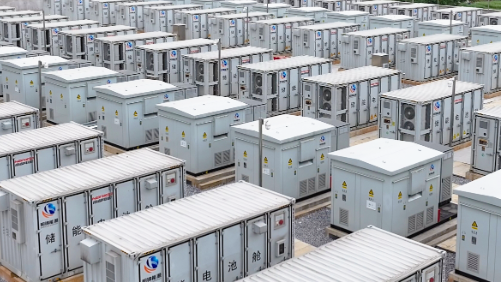
The system supports the management of 100-megawatt to gigawatt-level energy storage clusters on a single platform, controls the cell consistency deviation within ±1%, integrates multi-modal environmental sensors, and builds a "monitoring - analysis - execution" closed loop. It realizes second-level alarm detection and 5-minute root cause location, establishes an energy storage digital twin model, and outputs health files and energy efficiency reports. A multi-level hierarchical defense mechanism is constructed to realize all-weather monitoring.