
Power batteries for new energy vehicles are gradually entering their retirement wave. Retired batteries are transforming from an environmental burden into urban mines.
Against this backdrop, accelerating the development of a battery recycling and traceability system covering the full life cycle and fostering leading green recycling enterprises have become urgent priorities for promoting the sustainable development of the industry.
Narada Power extends to the upper reaches of the industrial chain to build a closed-loop lithium battery industry. Through lithium resource regeneration production lines with independent intellectual property rights, the company breathes new life into waste batteries.
Building a Leading Enterprise
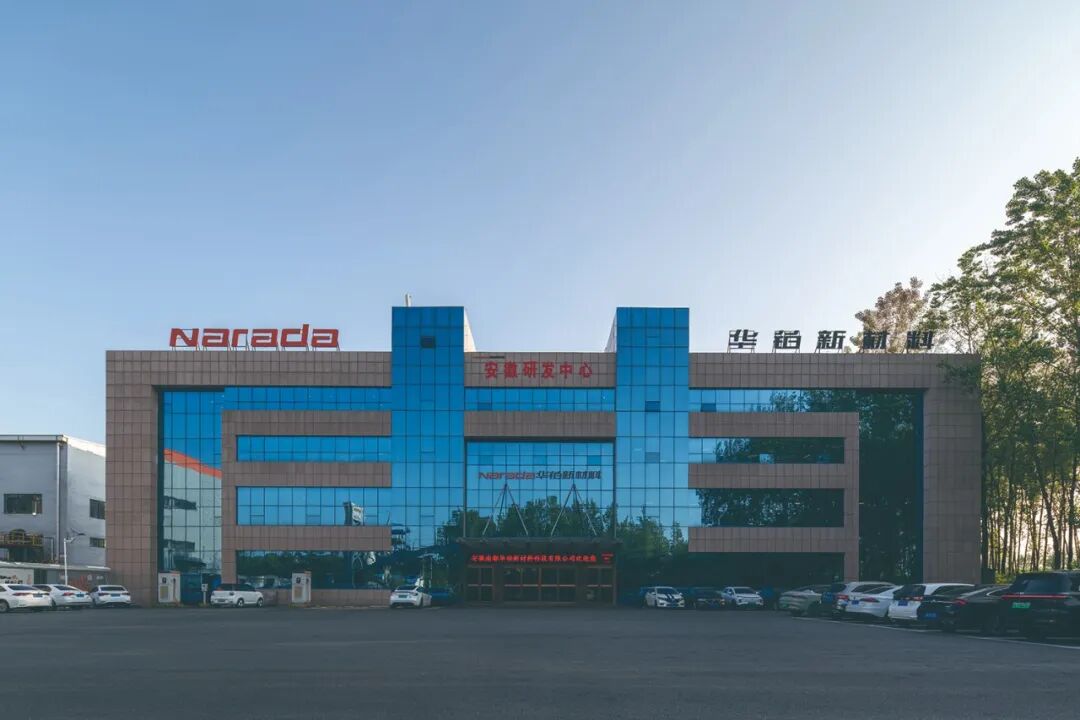
As an early entrant on the MIIT white list, Huabo New Materials, a wholly-owned subsidiary of Narada Power, has an annual processing capacity of 70,000 tons of various lithium-ion batteries. It is a pilot enterprise for the recycling and utilization of power batteries for new energy vehicles in Anhui Province.
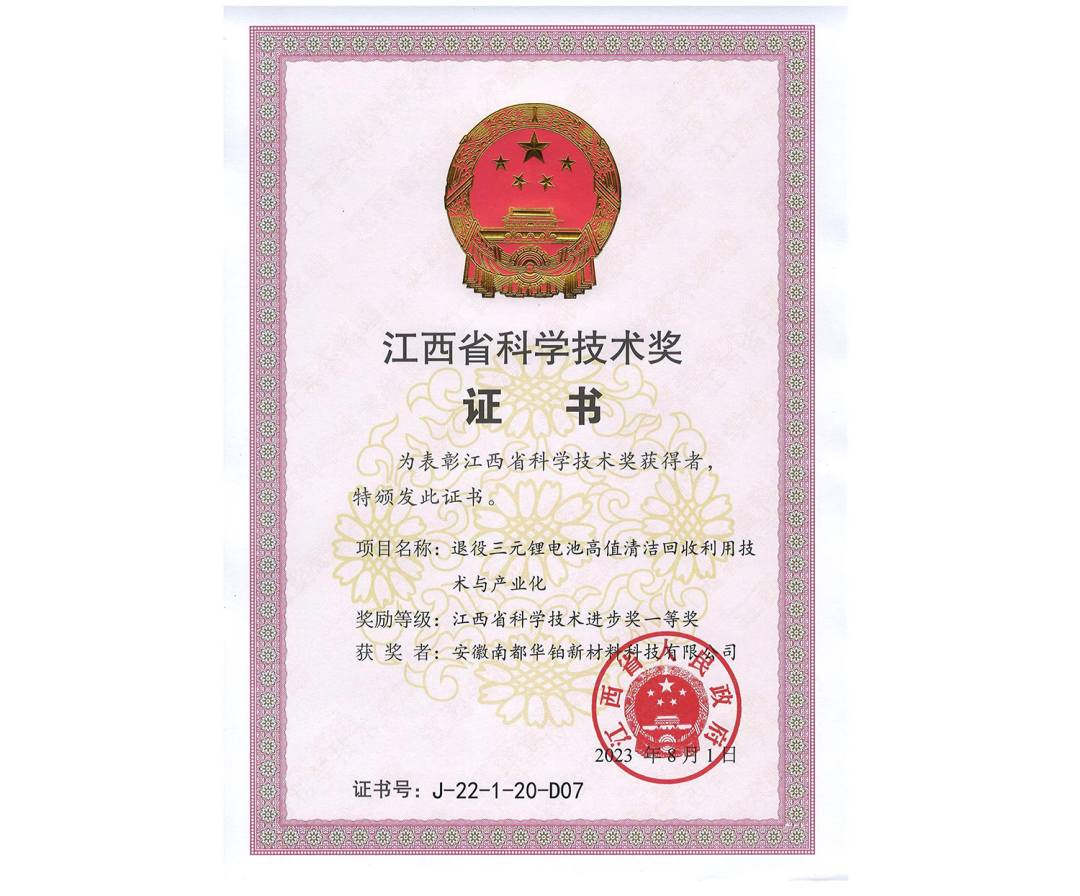
Adhering to the concept of ecological priority and green development, Huabo New Materials promotes industrial upgrading. It has been awarded honors such as National Green Factory, First Prize of Jiangxi Science and Technology Award, National Sci-Tech Innovation Small and Medium-sized Enterprise, and Technological Innovation Contribution Enterprise.
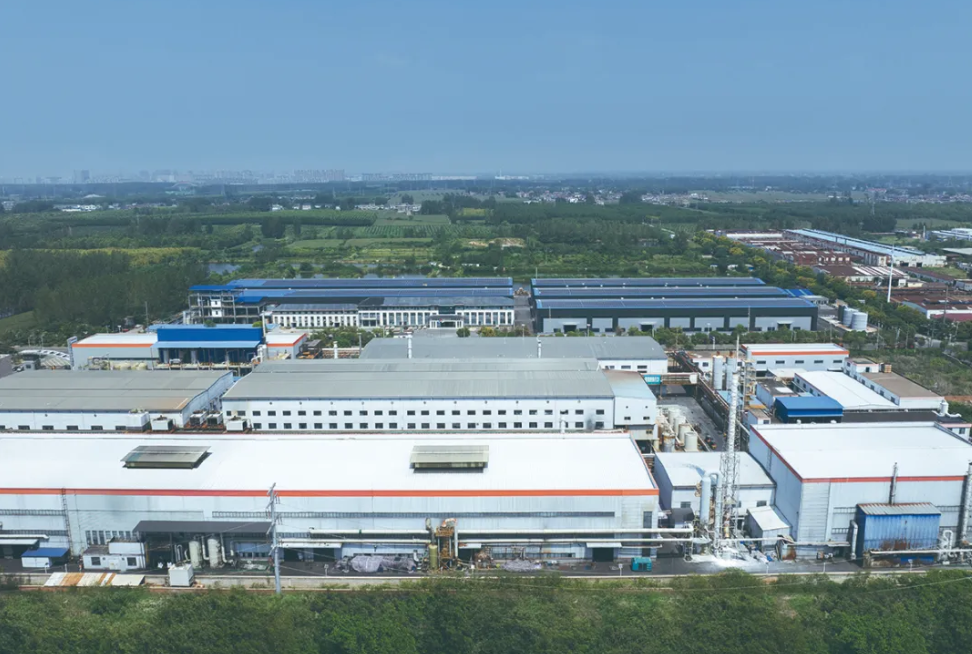
Meanwhile, the company has established industrial synergy in the recycling of waste power batteries and their scraps, as well as the regeneration of nickel, cobalt and lithium resources, forming a strong scale advantage.
Innovative Processes Defining a New Industry Standard
Huabo New Materials is located in Tianying Circular Economy Industrial Park in Jieshou, Anhui Province. As a national demonstration base for urban mines, the park is witnessing the vigorous development of a green industrial chain for resource recycling.
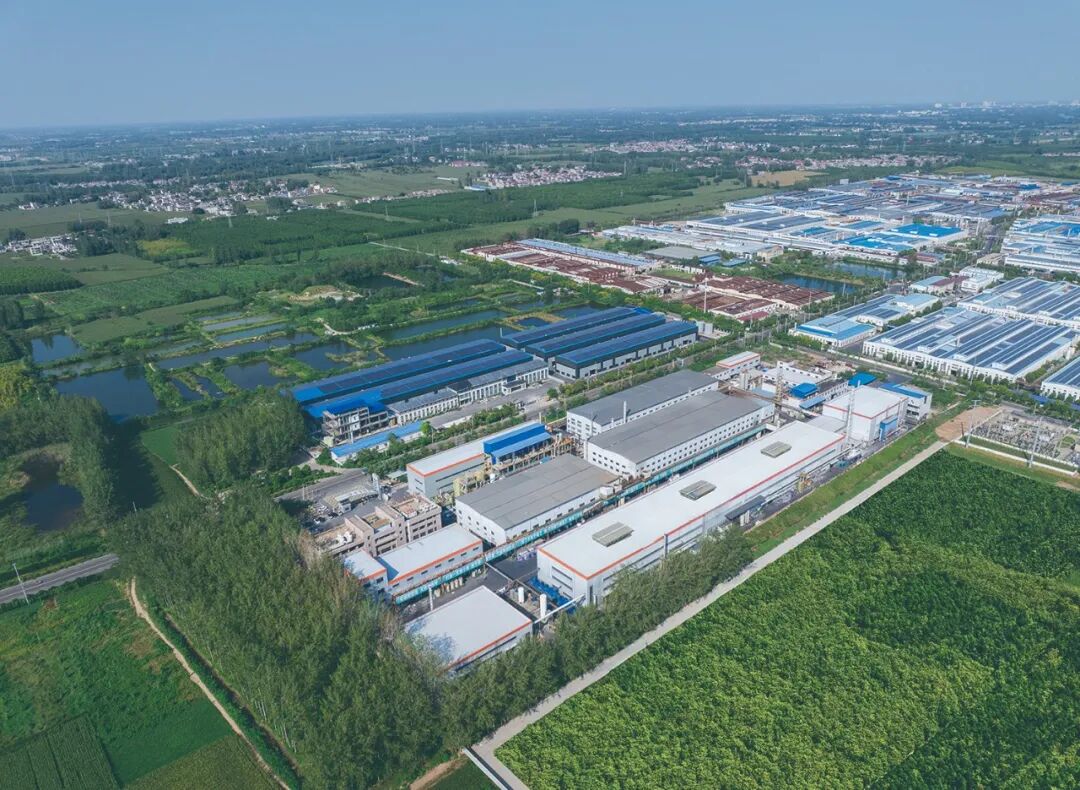
Waste power batteries from automobile manufacturers are undergoing technological rebirth. Adopting its proprietary process of live physical crushing - oxygen-free pyrolysis - screening and purification, Huabo New Materials achieves a comprehensive recycling rate of over 95% for waste lithium batteries.
Focusing on key common challenges in the waste lithium battery recycling industry, Narada Power has independently developed core technologies such as fully automatic live crushing and precise sorting of waste lithium batteries, and built complete production lines. The removal rate of organic solvents exceeds 99%, and the recovery rate of cathode active materials exceeds 99%.
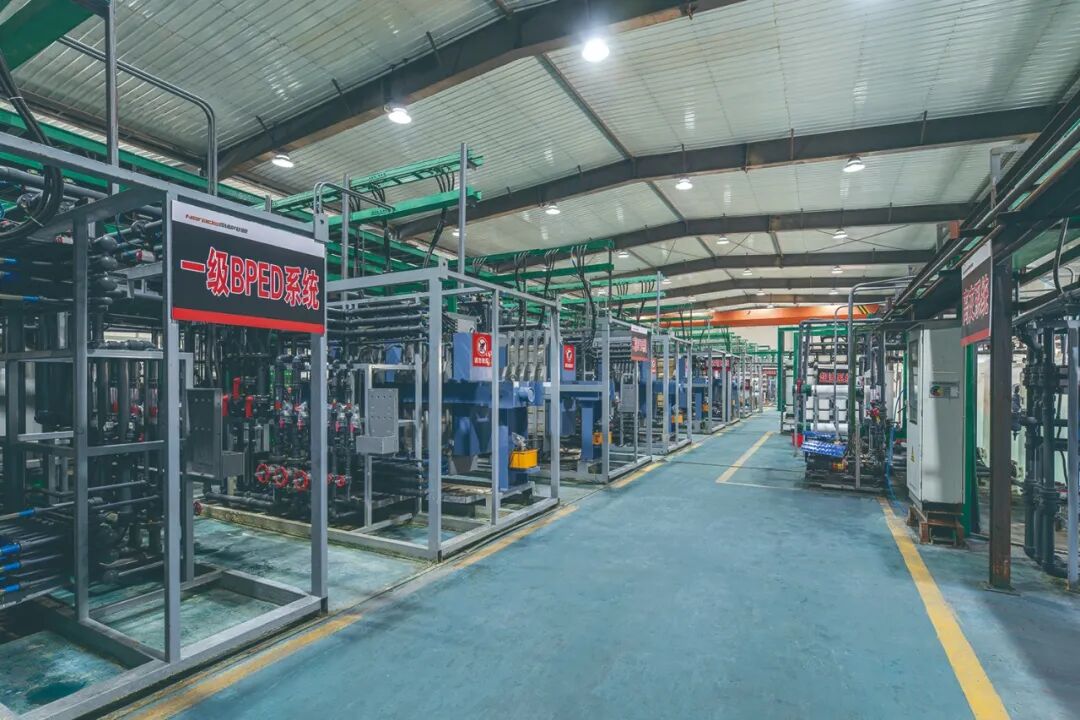
Huabo New Materials has long been committed to R&D and innovation in lithium battery recycling technology. It has established industry-university-research cooperation with prestigious universities including Central South University, Hefei University of Technology, University of Science and Technology of China, and Zhejiang University. The company owns a number of core technologies and intellectual property rights, and has presided over and participated in the formulation of a number of national and industrial standards for battery recycling and treatment.
High-Value-Added Recycled Materials Building a Closed Industrial Loop
As a key link in Narada Power's lithium battery industrial chain, Huabo New Materials not only realizes efficient, green and intelligent recycling of waste lithium-ion batteries, but also provides stable and low-carbon raw material support for Narada Power through integrated layout.
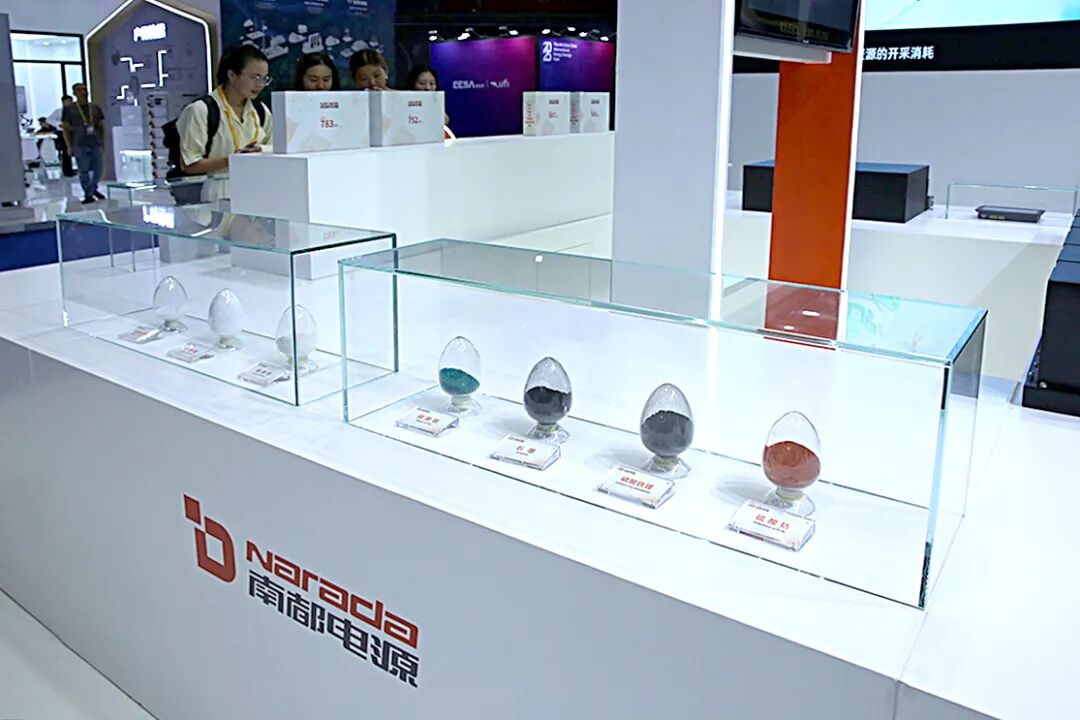
On the basis of industrialized operation of lithium carbonate regeneration, graphite anode regeneration and lithium iron phosphate regeneration, with continuous R&D investment, Huabo New Materials has made breakthroughs in the full-component recovery technology of lithium, iron, phosphorus and graphite, with a recovery rate of over 90%.
Among them, two products, namely NDHB-X04 battery-grade lithium carbonate regenerated by oxidative roasting and NDHB-X03 lithium fluoride regenerated by distillation, have been awarded as new products in Anhui Province.
In addition, the company's pilot production line has realized the recovery of 95% lithium carbonate, 90% graphite anode and 90% lithium iron phosphate from black powder of lithium iron phosphate batteries, all reaching battery-grade purity. After mass production, the recovery rate of various components of waste lithium-ion batteries at Huabo New Materials will be greatly improved and costs will continue to decrease.
Building a Resource Regeneration Ecosystem
In terms of recycling channels, relying on digital recycling platforms such as Kuaidian Power, Huabo New Materials adopts a combination of online and offline models. It has effectively integrated and established a regional recycling network covering more than 50 cities, and built door-to-door supply chain collaboration with new energy vehicle manufacturers, battery factories and end users, forming a stable raw material supply system.
Meanwhile, Anhui Lithium Battery Full-Element Recycling Innovation Research Institute, initiated by Huabo New Materials, has been successfully selected into the first batch of characteristic industrial research institutes in Anhui Province.