

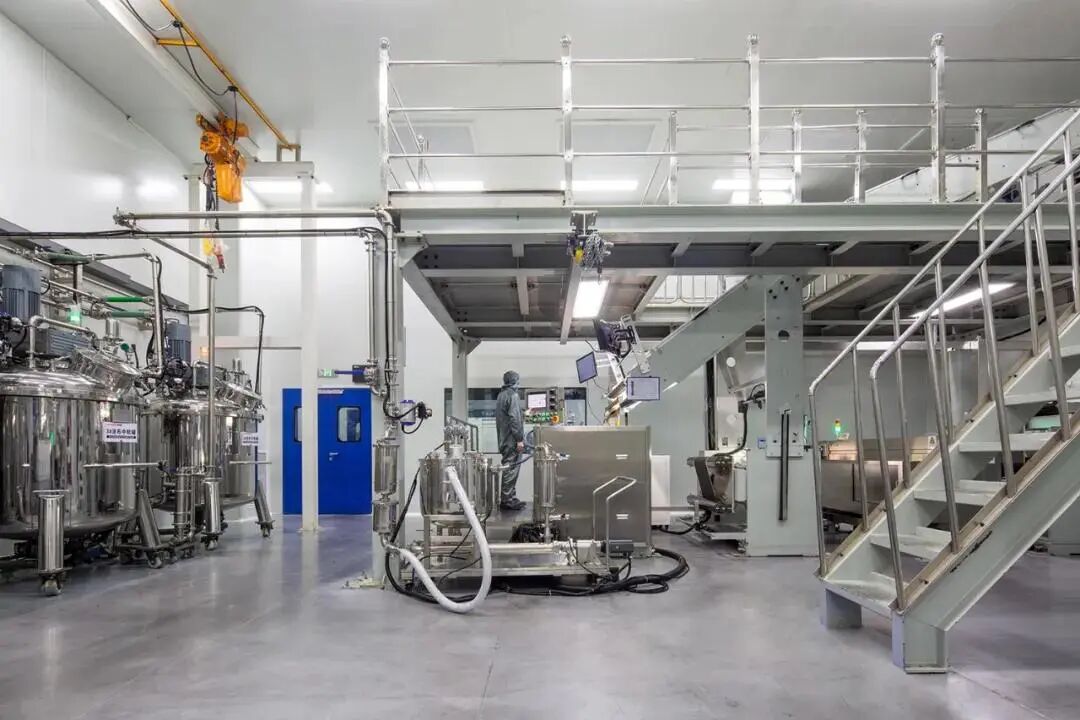
 Quality is the linchpin of an enterprise’s survival and growth, and quality management stands as a fundamental task throughout corporate development. Narada has built a full-value-chain quality management framework covering R&D, procurement, production and after-sales service, and formulated stringent quality control standards and workflows to guarantee high-quality delivered products.
Intelligent Manufacturing Upgrade for Production
To meet stringent requirements for premium products, Narada actively advances digital transformation toward intelligent manufacturing, aiming to cut the safety failure rate of single cells to one in a billion and deliver high-quality products at the GWh scale.
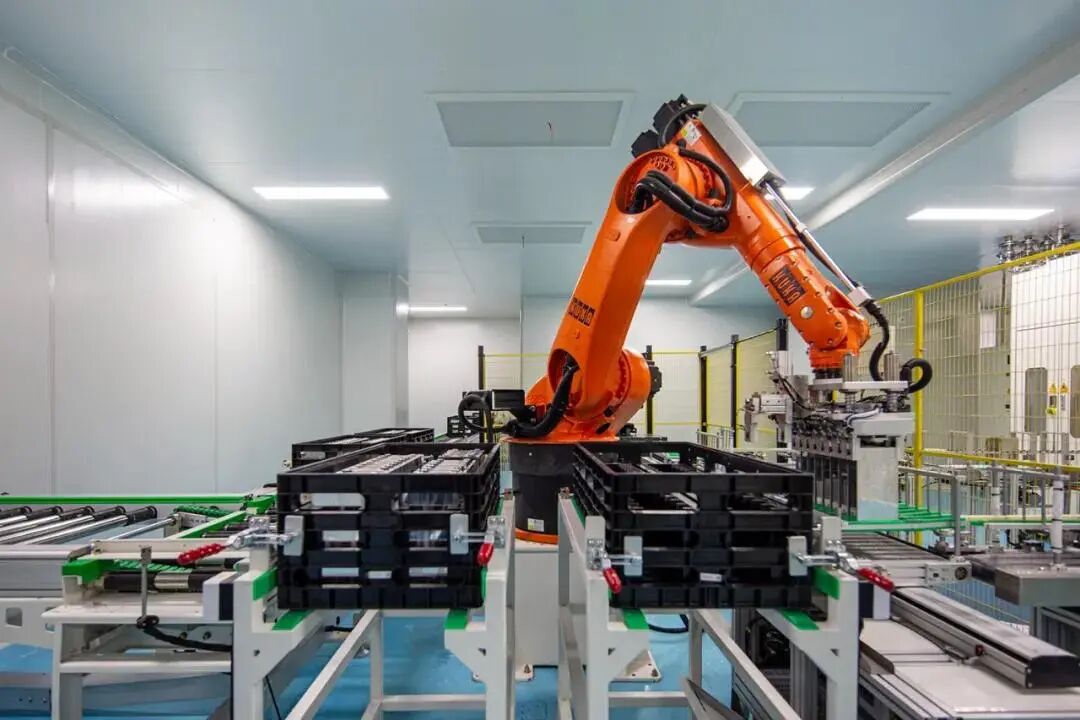
In energy storage scenarios, hundreds and thousands of cells are connected in series and parallel, making cell consistency increasingly critical and imposing extremely rigorous demands on manufacturing techniques. How does Narada ensure ultra-high cell consistency?
Beyond strict dimensional and performance control, Narada consistently adopts the laminated cell process instead of the traditional winding process. This greatly enhances thermal conduction and current flow within cells, delivers a more uniform internal structure, lowers cell internal resistance, and improves cell consistency and stability.
In addition, Narada has successively introduced PLM (Product Lifecycle Management), SAP and MES (Manufacturing Execution System) software to establish a full-process traceability system. The real-time collection and verification of process parameters via the MES system safeguards manufacturing quality from a software perspective, pushing the product yield rate above 99%.
Quality Control Upgrade Through Testing and Inspection
In daily product quality management, Narada continuously optimizes product quality supported by massive, precise testing data.
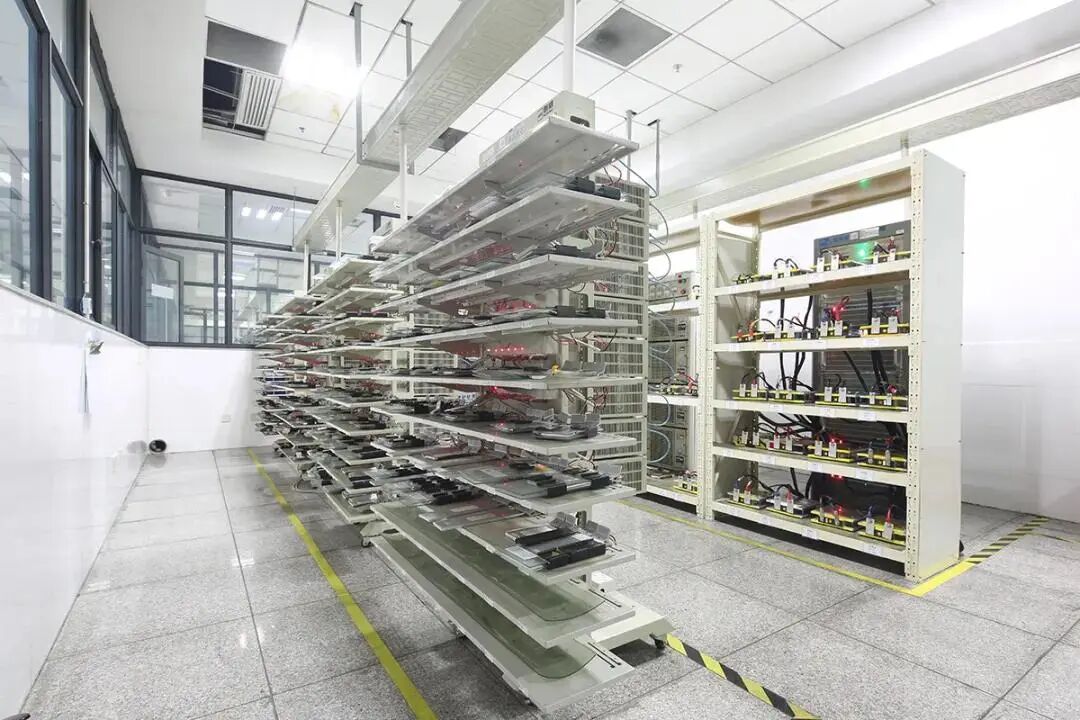
Quality is not only engineered and manufactured but also verified through testing. Laboratory testing serves as a critical stage before newly developed batteries enter practical application. Any new battery slated for market launch must pass rigorous assessments covering safety, durability, functionality and more.
Multiple safety tests simulate potential hazards including overcharging, short circuits, fire exposure, collision and nail penetration, helping R&D personnel analyze cell stability and minimize potential safety risks to the greatest extent.
Upgrade of Quality Management Systems
A sound high-quality management system lays the groundwork for manufacturing premium products.
Centered on customer demands and satisfaction, Narada has established a three-process quality management system consisting of COP (Customer-Oriented Processes), MP (Management Processes) and SP (Support Processes). This enables full-lifecycle quality control over products to satisfy customer needs and boost customer satisfaction.
Tailored to industry rules and corporate realities, Narada’s quality management system sets complete standardized workflows to ensure all operations follow clear regulations. A comprehensive monitoring mechanism is also deployed to enforce full compliance with these standards.
Based on issues identified during implementation and monitoring, the company continuously optimizes system workflows and standards to ensure targeted, effective implementation of quality management across all business lines.
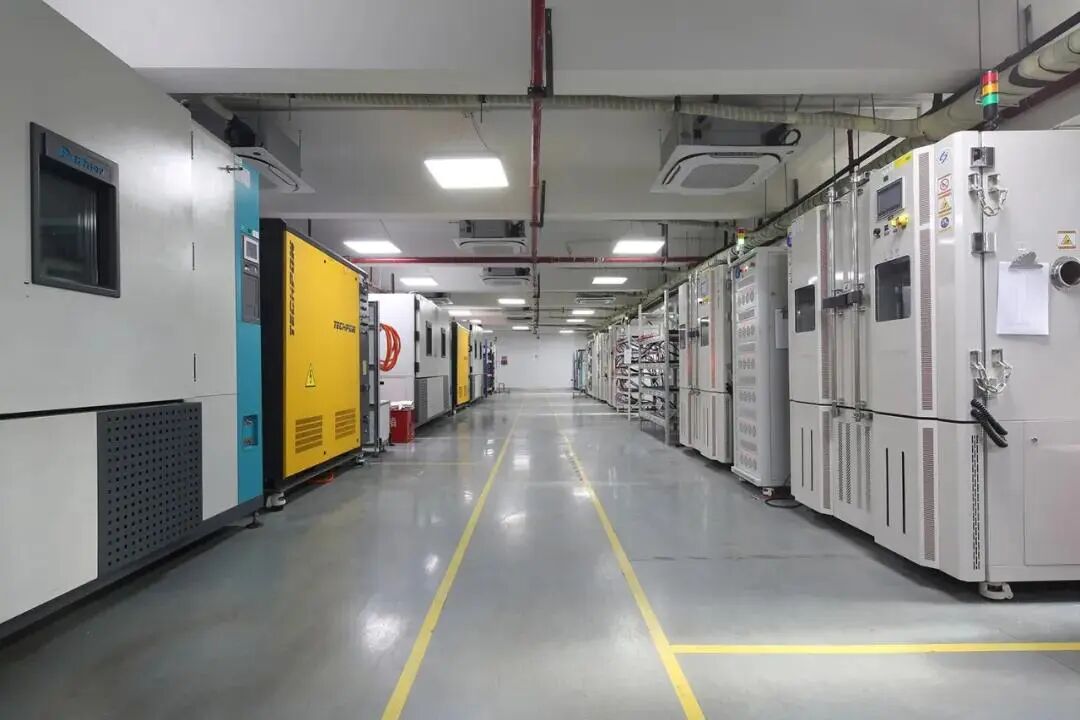
Since its founding, the company has adhered to the quality policy of "rigorous material selection, precise manufacturing, advanced technology and sincere service". It has obtained multiple quality management system certifications including IATF16949, ISO9001, TL9000 and IECQ QC080000. Meanwhile, its products have passed 10 categories of domestic and international certifications such as UL, ETL, CE/IEC, UN38.3, CQC, Tai'er, CRCC, CCS, seismic resistance and power industry certifications.