

Recently, Zimbabwe has fully suspended the export of raw lithium ore and lithium concentrates, exacerbating the short-term supply shortage of lithium carbonate.

Uncertainty in the supply of key minerals has led to sharp fluctuations in battery costs, directly affecting the marketization process of the energy storage industry. As a result, the layout of the lithium recovery sector has become increasingly strategically important.
As one of the early enterprises selected into the Ministry of Industry and Information Technology's "white list", Huabo New Materials, a wholly-owned subsidiary of Narada Power Source, boasts an annual processing capacity of 70,000 tons of various waste lithium-ion batteries. It can produce a total of 13,000 tons of lithium salts, cobalt salts, nickel salts and other products annually, while realizing the comprehensive recovery and utilization of copper, aluminum, graphite powder and other materials, effectively ensuring the supply of key raw materials.
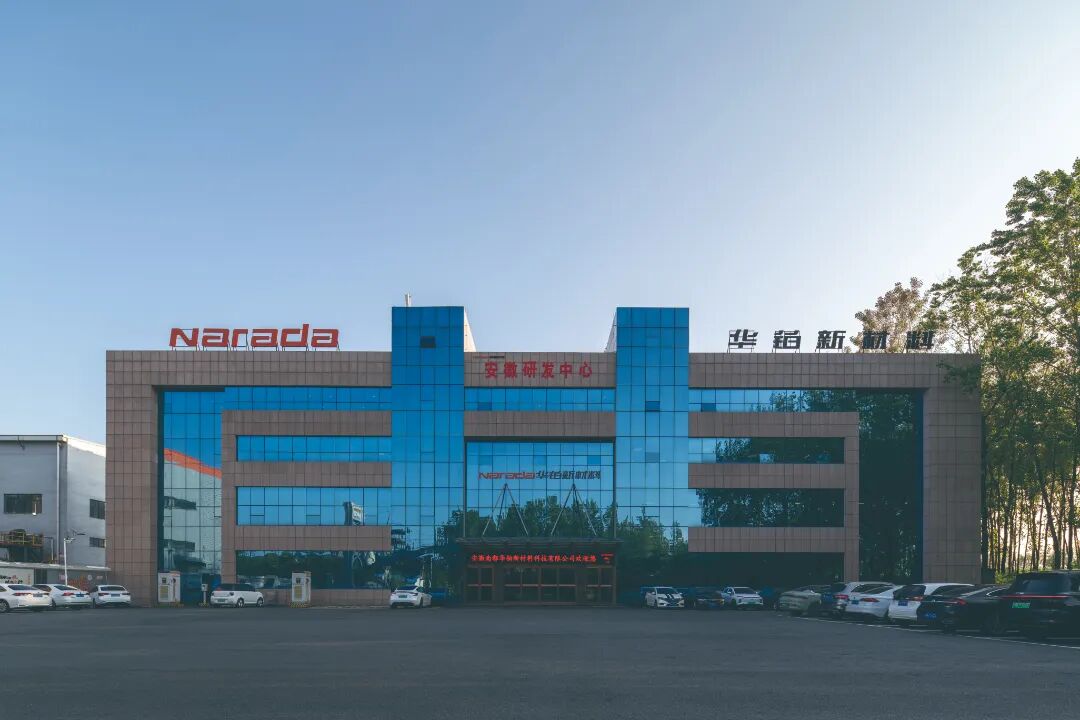
Different from the traditional primary lithium ore mining which features high energy consumption, high pollution and long cycles, Huabo New Materials not only achieves efficient, green and intelligent recovery of waste lithium-ion batteries, but also provides stable and low-carbon raw material support for Narada Power Source through an integrated layout.
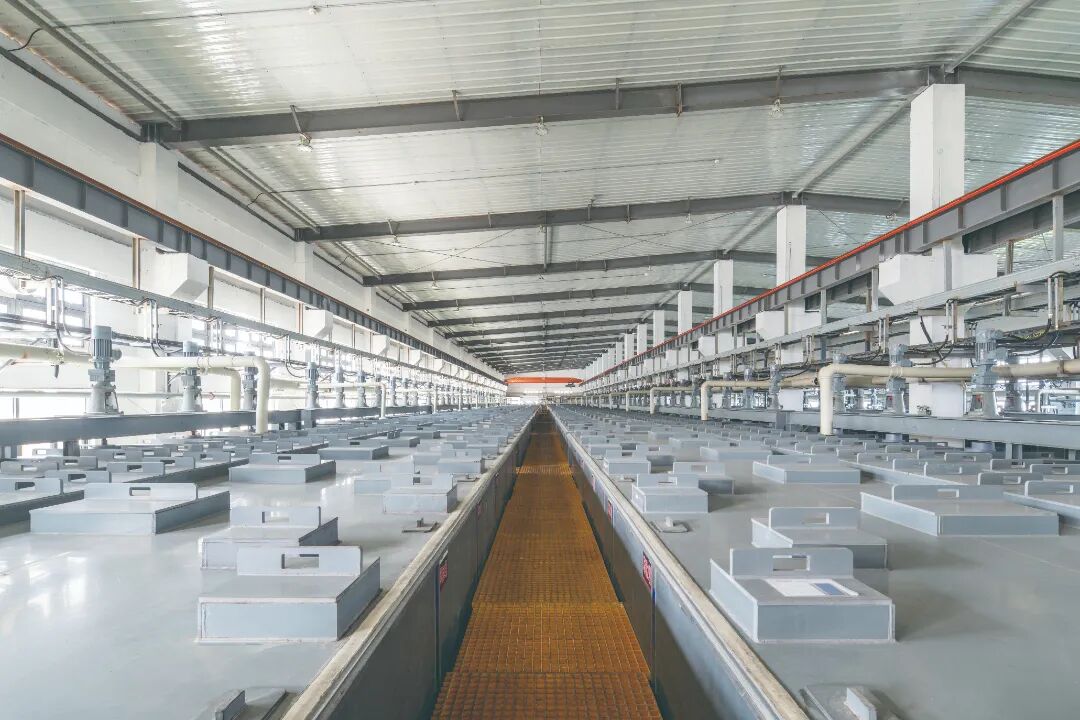
Focusing on key common challenges in the waste lithium battery recycling industry, Huabo New Materials has independently developed key technologies such as fully automatic live crushing and fine sorting of waste lithium batteries, and built a complete production line, achieving a comprehensive recycling rate of waste lithium batteries of over 95%.
All along, Huabo New Materials has been committed to the R&D and application exploration of lithium battery recycling. It has established industry-university-research cooperation with well-known universities including Central South University, Hefei University of Technology, University of Science and Technology of China and Zhejiang University, owns a number of core technologies and intellectual property rights, and has presided over and participated in the formulation of a number of national and industrial standards for battery recycling and treatment.